Thermal Imaging for Leak Detection
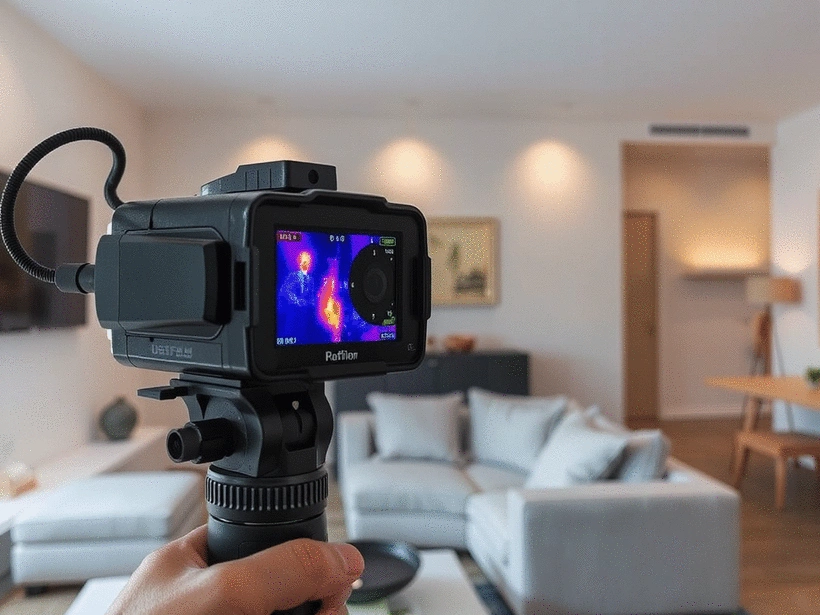
In a world where water damage can quietly wreak havoc on your property, understanding thermal imaging is more crucial than ever. This innovative technology not only safeguards your home but also empowers you to take control of your maintenance efforts.
What You Will Learn
- Thermal imaging utilizes infrared technology to non-invasively detect leaks and moisture issues in your home.
- Regular thermal scans can enhance energy efficiency by identifying insulation gaps and air leaks, leading to lower energy bills.
- This method of leak detection minimizes disruption to your property, avoiding invasive procedures like tearing down walls.
- Choosing a qualified thermal imaging provider ensures accurate assessments and effective solutions tailored to your property’s needs.
- Regular building inspections combined with thermal imaging can help identify vulnerabilities before they lead to serious problems.
Thermal Imaging vs. Traditional Leak Detection Methods
Thermal imaging offers a significant advantage over conventional methods like moisture meters and acoustic detection for identifying hidden leaks. This comparison highlights the key differences and benefits.
Thermal Imaging: The Modern Approach
- Detects Temperature Variations: Pinpoints exact location of leaks by sensing thermal changes.
- Non-Invasive: No need to damage walls or property.
- Comprehensive: Provides a detailed view of potential leakage points.
- Enhances Energy Efficiency: Identifies insulation gaps and air leaks.
Moisture Meters: Basic Indication
- Measures Moisture Content: Quantifies dampness in materials.
- Limited Scope: Doesn't show precise entry points or pathways.
Acoustic Detection: Sound-Based
- Listens for Leaks: Detects sounds of water in pipes.
- Can Miss Hidden Leaks: Less effective for non-pipe related or silent leaks.
Understanding Thermal Imaging for Leak Detection in Geelong Properties
When it comes to safeguarding your home, understanding how thermal imaging can aid in leak detection is essential. As a waterproofing expert at Geelong Waterproofing Solutions, I often rely on this innovative technology to identify hidden issues that could lead to significant water damage. By utilizing thermal cameras, we can pinpoint leaks without invasive procedures, ensuring minimal disruption to your living space.
In this section, we’ll explore what thermal imaging is, how it works, and the benefits it offers for homeowners in Geelong.
What is Thermal Imaging and How Does it Work?
Thermal imaging is a non-invasive method that uses infrared technology to detect temperature variations in materials. Simply put, this technology allows us to "see" heat emanating from various surfaces, which can indicate the presence of moisture or insulation gaps. This means we can accurately diagnose problems without tearing down walls or disturbing your property!
Curious about how this works? Let’s break it down further.
The Science Behind Thermal Imaging: Infrared Technology Explained
At the core of thermal imaging lies infrared radiation. Every object, including your home, emits a certain amount of infrared radiation depending on its temperature. Thermal cameras capture this radiation and convert it into a visible image, highlighting areas of heat loss or moisture intrusion. This technology provides us with a clear picture of your property’s health and helps determine if waterproofing solutions are needed. The Environmental Protection Agency (EPA) has highlighted the effectiveness of thermal imaging in detecting moisture in buildings, as demonstrated in a case study that found significant moisture intrusion even in areas with no visible signs of damage. For a more detailed understanding of how infrared cameras work to detect water leaks, FLIR provides comprehensive insights into the process and its applications.
How Thermal Cameras Identify Temperature Differences
Thermal cameras have sensors that detect minute differences in temperature. When water seeps into a building material, it can alter its thermal properties, leading to cooler or warmer spots on the surface. For instance, a damp wall might appear significantly cooler than a dry one, making it easily detectable during a thermal scan. The underlying principles of this detection method are further elaborated in patents such as US20050126263A1, which describes systems and methods for inspecting building structures using thermal imaging for moisture detection.
- Quick Diagnosis: Thermal imaging allows for rapid identification of problem areas.
- Minimized Disruption: No need for invasive procedures that could damage your property.
- Comprehensive Insight: Get a detailed view of potential leakage points throughout your home.
With these capabilities, thermal imaging stands out as an invaluable tool in leak detection for Geelong properties.
Non-Invasive Leak Detection: Benefits for Homeowners
Choosing non-invasive methods like thermal imaging for leak detection comes with a host of benefits. As I’ve seen firsthand, this approach not only preserves the integrity of your property but also saves you time and money in the long run. Let's dive into why this method is a smart choice for homeowners!
Why Choose Non-Invasive Methods for Leak Detection?
Using non-invasive techniques ensures that you can identify and address water leaks without the stress of extensive repairs. You won’t have to deal with open walls or unnecessary renovations, making it a more appealing option for many property owners.
Common Use Cases of Thermal Imaging in Geelong Properties
Thermal imaging is versatile and can be applied in various scenarios. Here are some common use cases:
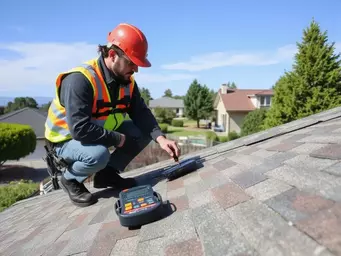
- Detecting leaks in roofs and ceilings
- Identifying moisture intrusion in walls
- Locating hidden plumbing issues
- Evaluating insulation effectiveness in attics and crawl spaces
These applications demonstrate how effective thermal imaging can be in maintaining the health of your property.
How Thermal Imaging Enhances Property Maintenance and Energy Efficiency
One of the significant advantages of thermal imaging is its ability to enhance energy efficiency. By detecting insulation gaps and air leaks, homeowners can take proactive measures to improve their energy use, leading to lower energy bills! In addition, regular thermal scans can facilitate ongoing property maintenance, ensuring that small issues are addressed before they escalate into costly repairs.
As a property owner in Geelong, investing in thermal imaging can lead to long-term benefits and peace of mind. By understanding its capabilities, you can be better prepared to protect your home from water damage effectively.
Interactive Poll: Your Thoughts on Leak Detection
As a homeowner in Geelong, what methods have you used for leak detection? Let us know by participating in our quick poll!
Frequently Asked Questions About Thermal Imaging for Leak Detection
- What is thermal imaging?
- Thermal imaging is a non-invasive technology that uses infrared radiation to detect temperature variations in materials, allowing for the identification of hidden moisture and insulation issues.
- How does thermal imaging detect leaks?
- Thermal cameras detect minute temperature differences. When water seeps into materials, it alters their thermal properties, leading to cooler or warmer spots that are visible on a thermal image, indicating a leak.
- What are the benefits of using thermal imaging over traditional methods?
- Thermal imaging offers non-invasive detection, minimizing disruption to your property. It provides a comprehensive view of potential leakage points, offers quick diagnosis, and can also help identify insulation gaps to improve energy efficiency.
- Can thermal imaging help with energy efficiency?
- Yes, by identifying insulation gaps and air leaks, thermal imaging helps homeowners take proactive steps to improve their property's energy efficiency, potentially leading to lower energy bills.
- Why is local expertise important when choosing a thermal imaging provider?
- Local expertise ensures that the provider is familiar with the specific challenges, building styles, moisture risks, and seasonal variations in your area, enhancing the accuracy and effectiveness of the inspection.
- What should I look for in a thermal imaging provider?
- When choosing a provider, look for experience, state-of-the-art equipment that complies with Australian Standards, and technicians certified in thermal imaging. Local expertise is also highly beneficial.
Making an Informed Decision About Thermal Imaging Services
When it comes to protecting your property from water damage, making an informed decision about thermal imaging services is vital. In Geelong, where moisture can easily become a problem, understanding how thermal imaging compares to other leak detection methods can save you time and money. So, let's dive into how thermal imaging stacks up against traditional methods!
Comparing Thermal Imaging with Other Leak Detection Methods
There are several methods for detecting leaks, but thermal imaging is often the most effective choice. Here’s how thermal imaging compares to two common alternatives: moisture meters and acoustic detection.
- Moisture Meters: These devices measure the moisture content in materials. While they’re helpful, they only indicate the presence of moisture and don’t provide a full picture of where water is entering.
- Acoustic Detection: This technique listens for sounds of water leaks in pipes. Though useful, it can miss hidden leaks that thermal imaging easily identifies.
- Thermal Imaging: By detecting temperature variations, thermal imaging can pinpoint the exact location of leaks and moisture intrusion without invasive measures.
In summary, while moisture meters and acoustic detection have their merits, thermal imaging offers a comprehensive and non-invasive approach that reveals hidden issues effectively.
The Importance of Building Inspections in Leak Detection
Building inspections play a critical role in leak detection. They help identify potential vulnerabilities before they become serious problems. As a waterproofing expert, I recommend regular inspections to catch issues early! An inspection can reveal:
- Structural weaknesses that may allow water intrusion
- Signs of previous water damage that need addressing
- Areas where thermal imaging can be particularly useful
Routine building inspections combined with thermal imaging can provide a holistic approach to maintaining the integrity of your property.
Choosing the Right Thermal Imaging Provider in Geelong
Finding the right thermal imaging provider can enhance your leak detection efforts. Here are some key factors to consider when selecting a local service:
- Experience: Look for a provider with a proven track record in thermal imaging and leak detection.
- Equipment: Ensure they use state-of-the-art thermal cameras that comply with Australian Standards.
- Certifications: Verify that their technicians are certified in thermal imaging.
By focusing on these criteria, you can choose a provider that will deliver high-quality, accurate leak detection services for your property.
Why Local Expertise Matters for Geelong Properties
Local expertise is invaluable when it comes to leak detection. A provider familiar with the specific challenges and building styles in Geelong can offer tailored solutions. They will understand local moisture risks, seasonal variations, and the building materials commonly used in the area. This localized knowledge greatly enhances the accuracy and effectiveness of thermal imaging inspections.
Understanding Thermal Imaging Certification for Contractors
Thermal imaging certification is an important qualification that demonstrates a contractor's proficiency in using thermal technology for leak detection. Look for providers who hold certifications from recognized organizations, ensuring they have the skills necessary to perform thorough inspections. A certified contractor will not only identify leaks but also explain their findings and recommend effective solutions.
Your Next Steps for Leak Detection
Now that you’re equipped with the necessary knowledge, it's time to take action! Start the process of identifying leaks in your home or property by booking a thermal imaging inspection with a trusted provider in Geelong.
Booking Your Thermal Imaging Inspection
To book your inspection, reach out to local providers and ask about their thermal imaging services. Be prepared to discuss your specific concerns and expectations. Here’s what you can typically expect:
- A comprehensive overview of the inspection process
- Details on the equipment and technology used
- An explanation of how results will be reported
Taking these steps ensures you are actively participating in the protection of your property!
Considering Home Warranty Options for Leak Repairs
After the inspection, consider exploring home warranty options that cover leak repairs. Having a warranty can save you time and money if any issues arise. It’s worth discussing these options with your provider to ensure you’re fully covered.
Conclusion: The Value of Non-Invasive Leak Detection for Geelong Homeowners
In conclusion, thermal imaging is a powerful tool for leak detection that offers non-invasive, accurate results. By understanding the benefits and making informed choices about providers, you’re on the right track to protect your property from water damage. Remember, proactive leak management is essential to maintaining your home’s integrity!
Summarizing the Key Takeaways on Thermal Imaging
To recap, thermal imaging provides a unique advantage in detecting hidden leaks, especially when combined with regular building inspections. By choosing a qualified local provider, you can ensure accurate assessments and effective solutions.
Encouraging Proactive Leak Management and Property Maintenance
Let’s not wait for the next storm to take action! I encourage all homeowners in Geelong to prioritize leak detection and maintenance. After all, a little prevention goes a long way in safeguarding your investment!
Recap of Key Points
Here is a quick recap of the important points discussed in the article:
- Thermal imaging is a non-invasive technology that detects moisture and insulation gaps without causing damage to property.
- It provides quick diagnosis of leaks, minimizes disruption, and offers comprehensive insights into potential issues.
- Regular building inspections combined with thermal imaging can help identify vulnerabilities before they become serious problems.
- Choosing a qualified provider with experience and the right equipment is crucial for effective leak detection.
- Proactive leak management through thermal imaging can save homeowners time and money while maintaining the integrity of their properties.