Wet Areas Waterproofing Geelong Vic
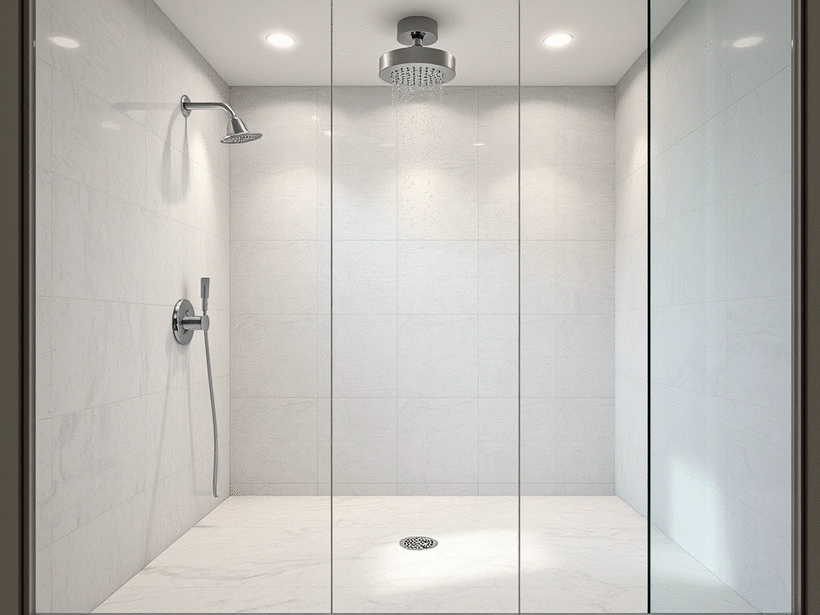
Bathrooms, laundries and other wet areas need suitable waterproofing to help prevent water from entering adjoining rooms and building materials. When moisture escapes through a failed membrane, damaged junction or plumbing defect, the resulting damage may extend beyond the original wet area.
For property owners in Geelong, effective wet area waterproofing starts with understanding how the space is used, which surfaces are exposed to water and how the waterproofing system connects with drains, fixtures and surrounding construction. Choosing an appropriate system and ensuring it is installed correctly can help reduce the risk of recurring leaks and avoidable repair work.
What Is Wet Area Waterproofing?
Wet area waterproofing involves installing a suitable barrier to limit water penetration into building elements. It is commonly relevant to showers, bathrooms, laundries and other areas where water exposure creates a risk of leakage.
Depending on the application, the system may use a liquid-applied membrane or a sheet membrane. Sealants and other compatible components may also be required at particular junctions and penetrations, but surface sealant alone is not a substitute for a properly designed waterproofing system.
The appropriate method depends on the substrate, layout, expected water exposure, drainage arrangements and condition of the existing construction. A new bathroom installation may require a different approach from investigating a leak in an older tiled shower.
Common Types of Waterproofing Systems
- Liquid-applied membranes: Applied to prepared surfaces and allowed to cure according to the manufacturer's instructions.
- Sheet membranes: Installed as sheets with specified joints, overlaps and connections to form the required waterproofing layer.
- Compatible sealing components: Used where required around junctions, penetrations and other transitions within the overall system.
Product selection should consider compatibility with the substrate, adhesives, screeds, tiles and other materials used in the installation. The system must also be suitable for the intended wet area and installed according to its technical requirements.
For more information, read our guide to waterproofing solutions for wet areas.
Why Bathrooms, Showers and Laundries Need Waterproofing
Wet areas are exposed to repeated splashing, cleaning and everyday water use. Without suitable protection, water may reach vulnerable building materials through defective membranes, poorly treated junctions or gaps around fixtures.
Bathrooms and Showers
Showers are particularly important because water regularly contacts walls, floors and connections around taps, screens and drainage points. Defects can allow moisture to travel behind tiles or into adjoining rooms.
Warning signs include recurring dampness outside the shower, loose tiles, deteriorating grout, peeling paint or staining on the ceiling below. These symptoms can also have plumbing or ventilation causes, so the source should be established before selecting a repair.
Explore our information on shower waterproofing in Geelong and waterproofing solutions for Geelong bathrooms.
Laundries
Laundries may be exposed to water from washing machines, sinks, taps and plumbing connections. A failed hose or fitting can release water quickly, while a slow leak may cause damage before it becomes obvious.
Keep an eye on connections, floor finishes and the areas around laundry fixtures. If water repeatedly appears around the floor or adjoining walls, investigate whether the source is plumbing, drainage or a waterproofing defect.
Other Wet Areas
Some properties contain additional spaces where water exposure needs to be considered. The waterproofing requirements depend on the space's intended use, construction and applicable building provisions. The same system should not automatically be assumed suitable for every application.
Common Signs of Wet Area Waterproofing Problems
Waterproofing defects can remain concealed for some time. The first visible sign may appear in a neighbouring room or on a ceiling below the affected area.
- Persistent damp patches: Moisture that returns after cleaning or surface repairs may indicate an unresolved leak.
- Peeling paint or swollen finishes: Water may be affecting plasterboard, skirting boards or other materials.
- Loose tiles or deteriorating grout: These can indicate wear, movement or moisture-related damage, although they do not prove that a membrane has failed.
- Musty smells or mould: Persistent moisture can create conditions that support mould growth.
- Water stains on lower ceilings: A leak from a bathroom or wet area above may be one possible cause.
Do not assume every damp patch is a waterproofing problem. Plumbing leaks, condensation and inadequate ventilation can produce similar symptoms. Identifying the source is important because each cause requires a different solution.
Our guide to signs your home needs waterproofing provides further information on warning signs.
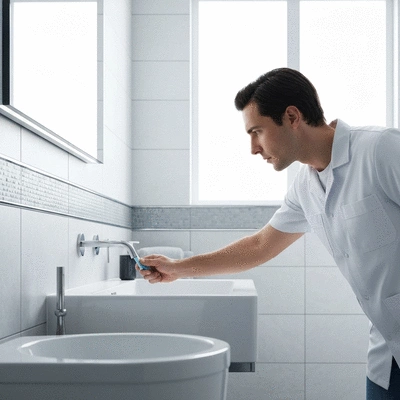
How Wet Area Waterproofing Is Installed
The installation process depends on the selected membrane and the requirements of the project. However, several important stages help determine whether the finished system can perform as intended.
1. Inspect and Prepare the Substrate
Surfaces must be suitable for the selected system. Preparation may involve cleaning, repairing defects and ensuring the substrate meets the product's requirements for condition and moisture content.
Applying a membrane over loose material, contamination or an unsuitable surface can affect adhesion and compromise the installation.
2. Detail Junctions and Penetrations
Corners, wall-to-floor junctions, drainage points and plumbing penetrations need careful treatment. These transitions can become vulnerable points if the membrane is interrupted or incompatible components are used.
The detailing method should follow the system's installation instructions and the requirements applicable to the project.
3. Apply the Waterproofing System
Liquid membranes need to be applied at the specified coverage and allowed to cure as directed. Sheet membranes require correct installation of joints, overlaps and connections. The method, preparation and curing requirements vary by product.
Tiles or other finishes should not be installed until the waterproofing is ready for the next stage of work.
4. Inspect and Document the Work
Where required, the waterproofing should be inspected and appropriate testing completed before it is concealed by finishes. Keeping product information, installation records and relevant inspection details can help with future maintenance and investigation if a problem develops.
Australian Standards and Wet Area Waterproofing
Australian Standard AS 3740 addresses waterproofing in domestic wet areas. The applicable edition and relevant building requirements should be checked for the specific project, particularly where the work forms part of a new build, renovation or substantial repair.
Compliance should not be assumed simply because a particular membrane has been selected. The complete installation matters, including substrate preparation, junction detailing, application and compatibility with adjoining components.
Not every waterproofing job involves the same scope or approval requirements. Where the relevant obligations are unclear, confirm them before work begins rather than assuming that one rule applies to every bathroom or laundry.
For more detail, see our guide to bathroom waterproofing and AS 3740 in Geelong.
Choosing a Waterproofing Service in Geelong
When comparing waterproofing providers, consider how clearly they explain the proposed work and whether the solution addresses the actual problem. A low price alone does not show whether the scope includes the necessary preparation, detailing and reinstatement.
Questions to Ask Before Work Begins
- Assessment: How will the source of any existing leak be identified?
- System selection: Why is the proposed membrane suitable for the substrate and wet area?
- Preparation: What repairs or surface preparation are included?
- Junction detailing: How will corners, penetrations and drainage connections be treated?
- Inspection: What checks or testing are appropriate before the area is covered?
- Documentation: Will product details and relevant installation records be provided?
- Warranty: What is covered, for how long and subject to which conditions?
Compare Quotes on the Same Basis
Review the scope of each quote rather than comparing the total price alone. Check whether removal of existing finishes, substrate repairs, waterproofing materials, inspection, testing and reinstatement are included or excluded.
Ask for warranty terms in writing. Coverage varies between providers and products, and it should not be assumed that every warranty covers all materials, labour or future water damage.
For more guidance, read choosing a waterproofing company in Geelong.
When to Arrange a Professional Assessment
Basic maintenance can help keep a wet area in good condition, but it cannot repair every concealed defect. Arrange an assessment if water continues to escape, dampness returns after a repair, tiles become loose or damage appears in an adjoining room.
A suitable investigation can help distinguish between a plumbing leak, damaged surface sealant, drainage issue and a defective membrane. That distinction helps determine whether a localised repair is appropriate or more extensive work may be needed.
For builders and renovation projects, clear coordination between trades is also important. The substrate, plumbing penetrations, drainage details and finished surfaces need to be considered as part of the overall installation. Our guide to waterproofing tips for builders in Geelong covers additional planning considerations.
Frequently Asked Questions About Wet Area Waterproofing
Which areas commonly need waterproofing?
Bathrooms, showers and other wet areas may require waterproofing depending on their design, use and applicable requirements. The exact scope should be determined for the particular project.
What is the difference between liquid and sheet membranes?
Liquid membranes are applied to prepared surfaces and cured, while sheet membranes are installed as sheets with specified joints and connections. The suitable option depends on the substrate, design, exposure and product requirements.
Can new grout fix a leaking bathroom?
Replacing damaged grout may address a surface issue, but it will not necessarily repair a failed membrane or plumbing leak. If moisture persists, identify the source before carrying out further repairs.
Does AS 3740 apply to wet area waterproofing?
AS 3740 addresses waterproofing in domestic wet areas. The applicable edition and requirements should be checked against the project and relevant building provisions.
What should a waterproofing quote include?
A clear quote should describe the affected area, proposed system, preparation, materials, treatment of junctions, any required testing and reinstatement work. It should also identify exclusions and state the applicable warranty terms.
How can I tell if my wet area membrane has failed?
Recurring dampness, water stains, loose tiles and damage outside the wet area may indicate a problem, but these symptoms can have other causes. An investigation is needed to determine whether the membrane is defective.
Protecting Wet Areas in Your Geelong Property
Effective wet area waterproofing depends on choosing a suitable system, preparing surfaces correctly and treating junctions and penetrations carefully. Bathrooms and laundries should be maintained with attention to recurring dampness, damaged finishes and plumbing issues.
If a leak develops, identify the cause before selecting a repair. A clearly defined scope, suitable materials and appropriate inspection can help address the underlying problem and reduce the likelihood of repeated damage.