Foundations Waterproofing Geelong Vic

Water entering around a building’s foundations can lead to damp interiors, damaged finishes and, in some cases, deterioration of building materials. Foundation waterproofing in Geelong starts with identifying how moisture is reaching the structure and choosing a suitable way to manage it. Drainage, ground conditions, existing construction and the location of the affected area all influence the right approach.
What You Will Learn
- How foundation waterproofing helps manage moisture around a building.
- Warning signs that may indicate water entry or dampness near foundations.
- The differences between membranes, drainage and localised crack repairs.
- Why diagnosing the source of moisture is important before selecting a solution.
Understanding Foundation Waterproofing in Geelong
Foundation waterproofing aims to limit water penetration through or around foundation walls and below-ground building elements. The appropriate method depends on the building’s design, the type of foundation, the surrounding soil, the direction water travels and whether the problem is occurring during rainfall or persists in dry weather.
For homeowners planning broader protection against moisture, see these waterproofing solutions for Geelong homes.
What Can Foundation Waterproofing Involve?
Foundation moisture problems can require different treatments. Depending on the cause and the building, possible measures include:
- External waterproofing membranes: Liquid-applied or sheet products may be used on suitable foundation surfaces to form a barrier against moisture.
- Drainage improvements: Correcting surface water flow or installing an appropriate drainage system can help prevent water from collecting beside foundation walls.
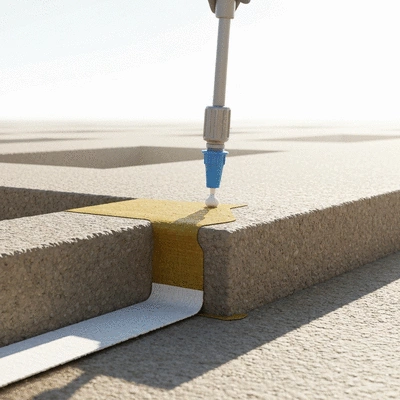
- Crack and joint repairs: Suitable repair products may address localised entry points, but the cause and movement of the crack should be assessed first.
- Moisture barriers: Where appropriate to the construction, a barrier may help limit moisture movement through ground-contacting elements.
These approaches are not interchangeable. A surface coating alone may not solve a problem caused by poor drainage, while a drainage improvement will not necessarily repair a defective membrane. The source of the water should be investigated before work begins.
Why Moisture Control Matters Around Foundations
Water around a foundation can affect internal comfort, floor coverings, wall finishes and stored belongings. Persistent dampness may also contribute to mould growth where suitable conditions exist. In more serious cases, water pressure, soil movement or ongoing deterioration can contribute to damage that needs further investigation.
Geelong properties vary in age, construction and site conditions. Rainfall runoff, sloping ground, paving levels, blocked drainage and leaking pipes can all contribute to moisture around a building. Rather than assuming the local climate is the sole cause, assess the property’s drainage and the pattern of dampness.
Signs That May Indicate a Foundation Moisture Problem
- Damp patches or recurring water entry in a basement, cellar or lower-level room.
- White, powdery deposits on masonry, which may be associated with moisture moving through the material.
- Paint, plaster or other finishes that bubble, peel or deteriorate near floor level.
- Water pooling beside external walls after rain.
- Musty odours or recurring mould in areas that remain damp.
- Cracks in foundation walls or floors, particularly where there are signs of movement or water entry.
These signs do not all point to a failed waterproofing system. Condensation, plumbing leaks, roof runoff and other sources can produce similar symptoms. If you notice persistent dampness, use the information in our guide to the signs your home needs waterproofing as a starting point, then arrange an assessment where necessary.
How Drainage and Ground Conditions Affect Foundations
Water management around a building is an important part of foundation protection. If rainwater repeatedly collects next to external walls, moisture may find its way through vulnerable joints, cracks or porous materials. Poorly directed downpipes, blocked drains and paving that directs runoff towards the house can make the problem worse.
Practical Checks Around the Property
- Check whether downpipes discharge into suitable drainage points and whether they appear blocked or damaged.
- Observe where rainwater flows and whether it pools against the building.
- Look for leaking taps, irrigation lines or plumbing that could be wetting the ground near the foundation.
- Check for damaged external seals and visible gaps around service penetrations.
- Arrange a professional assessment if water continues to enter, or if cracks and signs of movement are present.
Do not excavate beside a foundation or install a drainage system without considering underground services, site conditions and the stability of the structure. Some problems require a drainage specialist, plumber, structural professional or waterproofing contractor rather than a single repair.
Choosing a Suitable Foundation Waterproofing Method
The right solution depends on where the water originates, how it reaches the building and the condition of the existing structure. An inspection should distinguish between surface runoff, water passing through a wall, moisture rising through materials and leaks from plumbing or other services.
External Membranes
External membranes may be appropriate when the outside face of a foundation can be accessed and the surface can be prepared correctly. The product must suit the substrate, exposure and expected moisture conditions. Drainage and protection layers may also be required as part of the system.
Internal Moisture Management
Where external access is limited, an internal treatment or water-management system may be considered. Its suitability depends on the type and severity of water entry. Some internal products manage dampness or help control water movement without preventing moisture from reaching the wall itself, so the intended performance should be explained before work proceeds.
Crack and Joint Repairs
Localised repairs can be useful when a particular crack, construction joint or service penetration has been identified as the entry point. However, cracks may have different causes. Active movement, significant cracking or signs of structural distress warrant appropriate investigation before a repair product is selected.
Drainage and Surface Water Improvements
Correcting drainage may be essential where water collects beside the property. Improvements could involve clearing blocked drainage, redirecting downpipes or correcting surface runoff. Subsurface drainage needs proper design and a suitable discharge point; simply moving water to another part of the property may transfer the problem rather than resolve it.
For related guidance on moisture protection in other parts of the building, read about waterproofing solutions for wet areas.
Inspection, Maintenance and Long-Term Monitoring
Routine checks can help identify developing problems, but the frequency should reflect the building’s condition, the history of water entry and the type of waterproofing system installed. A yearly visual check can be a useful starting point for many properties, with additional inspections after significant water entry or when new symptoms appear. Follow any maintenance requirements supplied for the installed system.
During an inspection, pay attention to drainage outlets, visible membrane edges, external joints, downpipes and areas where water has previously accumulated. Keep records of recurring damp patches and note whether they appear after rainfall, plumbing use or particular weather conditions. This information can help narrow down the source.
Maintenance cannot compensate for a defective system or an unresolved drainage issue. If moisture keeps returning despite basic maintenance, seek a more thorough assessment rather than repeatedly covering stains or applying sealant to the visible surface.
Getting Quotes for Foundation Waterproofing in Geelong
When comparing contractors, provide details about where moisture appears, how long the issue has been occurring and whether it changes after rainfall. Photographs of affected areas and any previous repair records may also be helpful.
Ask prospective contractors to explain the likely source of the moisture, the proposed repair method and why it is suitable for the property. A useful written quote should set out the preparation work, products or system proposed, drainage requirements, access considerations, exclusions and any applicable warranty conditions.
It is also worth clarifying whether the quoted work includes reinstating excavated areas, removing damaged finishes or arranging any plumbing or structural work that may be required. Comparing quotes on the scope of work, rather than price alone, makes it easier to understand what each proposal covers.
For more information about assessing contractors, see choosing a waterproofing company in Geelong.
Frequently Asked Questions About Foundation Waterproofing
- What is foundation waterproofing?
- Foundation waterproofing uses suitable materials and building methods to limit water penetration through or around foundation elements. Depending on the property, it may involve membranes, drainage improvements, crack repairs or other moisture-control measures.
- What are common signs of moisture near a foundation?
- Possible signs include recurring damp patches, water pooling beside external walls, deteriorating finishes, white deposits on masonry, musty odours and visible water entry. These symptoms can have several causes and may need investigation.
- Which waterproofing method is best for a Geelong property?
- There is no single method suitable for every property. The choice depends on the source of moisture, foundation construction, access, ground conditions and the condition of existing materials.
- Can drainage problems cause foundation dampness?
- Yes. Poorly directed runoff, blocked drains and water collecting beside a building can contribute to moisture entry. Drainage should be assessed alongside the condition of the foundation and any existing waterproofing.
- How often should a foundation be inspected?
- A yearly visual check may be a useful starting point, but inspection frequency depends on the building, previous water problems and the installed system’s maintenance requirements. Persistent or worsening symptoms should be assessed promptly.
- Will sealing a visible crack solve the problem?
- Not necessarily. A crack may be the entry point, but it can also reflect movement or another underlying issue. The cause and condition of the crack should be assessed before deciding on a repair.
- What should I ask before accepting a waterproofing quote?
- Ask what is causing the moisture, why the proposed method is suitable, what preparation and drainage work is included, which materials will be used, what is excluded and what warranty terms apply.