Concrete Waterproofing Geelong Vic
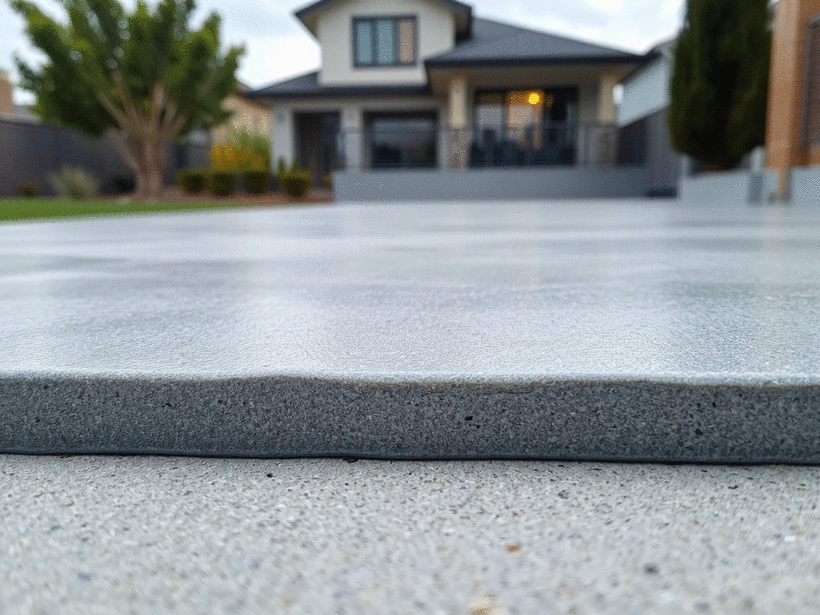
Concrete can absorb moisture through pores, cracks and joints, and water can also enter where drainage or existing protective systems have failed. For properties in Geelong, effective concrete waterproofing starts with identifying the source of moisture and selecting a treatment suited to the concrete surface, its exposure and the intended use of the area.
What You Will Learn
- How concrete waterproofing works and where it may be needed.
- Common signs of moisture penetration and concrete deterioration.
- The differences between membranes, sealers, crack repairs and drainage improvements.
- How to assess a waterproofing problem and compare suitable repair options.
Understanding Concrete Waterproofing in Geelong
Concrete waterproofing involves reducing the amount of water that can penetrate a concrete structure or pass through its joints and vulnerable areas. Depending on the application, this may involve a liquid-applied membrane, a sheet membrane, a suitable surface sealer or a broader system incorporating joint detailing and drainage.
The right approach depends on whether the concrete is exposed to rain, located below ground, part of a balcony or terrace, or used in another area where water exposure is expected. Surface preparation, existing cracks, movement joints and the condition of the substrate all affect the suitability of a treatment.
For below-ground structures, waterproofing may need to be considered alongside drainage and ground moisture management. Read more about waterproofing foundations in Geelong.
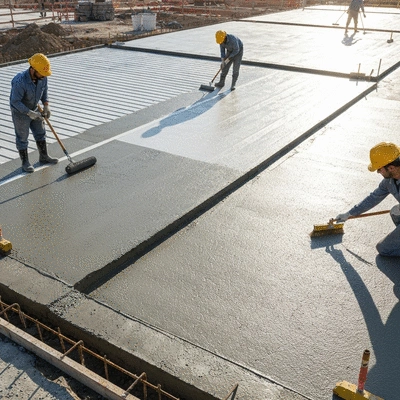
Common Concrete Waterproofing Methods
- Liquid-applied membranes: These form a continuous coating when applied to a properly prepared surface. The product must be suitable for the substrate and the conditions it will face.
- Sheet membranes: Sheet products can provide a waterproof layer where the system, joints, edges and penetrations are installed correctly.
- Concrete sealers: Depending on the product, sealers can reduce water absorption or protect exposed concrete. A sealer is not automatically a substitute for a waterproofing membrane where full water exclusion is required.
- Crack and joint treatments: Appropriate repair materials can address identified entry points, but the cause and any ongoing movement need to be considered.
- Drainage improvements: Managing water before it reaches a concrete structure can be an important part of the overall solution.
Why Waterproofing Matters for Concrete Structures
Concrete is strong and durable, but it is not automatically waterproof. Water can travel through pores, construction joints, cracks and poorly sealed penetrations. Where moisture remains trapped or repeatedly enters, it can contribute to deterioration of finishes and surrounding materials.
In some structures, moisture can also contribute to corrosion of embedded steel reinforcement. The likelihood and severity depend on factors such as the concrete's condition, exposure and construction. Waterproofing can help manage water entry, but existing structural damage may require separate assessment and repairs.
Concrete waterproofing may be relevant to:
- Below-ground walls and foundations.
- Concrete balconies, terraces and exposed decks.
- Concrete slabs and areas adjoining wet rooms.
- Retaining walls exposed to ground moisture.
- Other concrete surfaces where water penetration is a concern.
For exposed decks and balconies, the membrane must suit the expected weather exposure and the construction details. Our guide to waterproofing membranes for decks and balconies provides related information.
Common Causes of Concrete Water Damage
Identifying the source of water is an important first step. Applying a coating without understanding the cause may leave the underlying problem unresolved.
Cracks, Joints and Penetrations
Cracks can develop for several reasons, including shrinkage, settlement, temperature changes and structural movement. Construction joints and gaps around pipes or other penetrations can also provide pathways for water. The appropriate repair depends on the type of defect, its movement and the pressure or exposure involved.
Look for recurring damp patches, visible water entry, deteriorating coatings or cracks that appear to be changing. Significant or widening cracks, displaced concrete and signs of structural movement should be assessed by an appropriately qualified professional.
Water Pressure and Poor Drainage
Water that accumulates against below-ground concrete can create pressure that drives moisture through vulnerable points. Blocked drains, leaking downpipes, poor surface falls and water collecting beside a building may contribute to this condition.
Where drainage is involved, the solution may require correcting the flow of surface water or installing a suitable drainage system. Any drainage work should account for the site layout, underground services and a suitable discharge point.
Condensation and Moisture Moving Through Concrete
Not every damp concrete surface indicates a failed waterproofing membrane. Condensation can form when humid air meets a cooler surface, while moisture can also move through porous materials by capillary action. These conditions require different responses from water entering through a crack or defective joint.
Before choosing a treatment, consider when the dampness occurs, whether it changes with weather conditions and whether nearby plumbing or ventilation could be contributing. For more guidance on recognising moisture problems around a property, see the signs your home needs waterproofing.
How to Choose the Right Waterproofing Solution
The most suitable system depends on the concrete's condition, the source of water, the intended use of the surface and whether the area can be accessed from the side exposed to moisture.
Assess the Surface and Its Exposure
Determine whether the concrete is indoors or outdoors, above or below ground, and exposed to rainfall, standing water or moisture from surrounding soil. A product suitable for an exposed slab may not be appropriate for a below-ground wall or a surface that will receive tiles or another finish.
Prepare the Concrete Properly
Loose material, dust, contamination and unsuitable existing coatings can interfere with adhesion. Preparation requirements vary by product and substrate. Cracks, joints and penetrations should be treated as specified by the selected system before the main membrane or coating is applied.
Check Compatibility and Installation Details
Waterproofing products must be compatible with the concrete and any subsequent finishes. Pay attention to curing times, application thickness, reinforcement at joints, terminations and service penetrations. For systems that will be covered, the installation may need to be inspected before the next construction stage.
Consider the Entire Water Management System
A membrane may be only one part of the solution. Where water is collecting against a structure, drainage and surface falls may also need attention. Where cracks or movement are involved, repair work may be necessary before a new waterproofing layer is installed.
For moisture protection in bathrooms, laundries and other internal wet areas, see waterproofing solutions for wet areas.
Maintenance and Early Intervention
Periodic visual checks can help identify issues before they become more extensive. The appropriate inspection frequency depends on the location, the waterproofing system and the exposure conditions.
- Look for peeling coatings, damaged sealant and visible gaps at joints.
- Check whether water is pooling on exposed concrete or against walls.
- Monitor cracks and note any changes in width, length or surrounding finishes.
- Keep drainage outlets clear and investigate recurring water accumulation.
- Follow the maintenance instructions for the installed waterproofing product.
If dampness returns after a repair, investigate the source rather than repeatedly applying surface sealants. Ongoing water entry may indicate that the original cause has not been resolved or that the existing system needs more extensive work.

Getting Quotes for Concrete Waterproofing in Geelong
When requesting a quote, explain where the concrete is located, what symptoms you have noticed and whether the issue occurs during or after rainfall. Photos of cracks, damp patches and surrounding drainage can help communicate the problem, although an on-site assessment may still be needed.
Ask each contractor to explain the likely cause, the proposed waterproofing method and any preparation or repair work required. A detailed quote should identify the products or system proposed, the work included, relevant exclusions, access requirements and any applicable warranty conditions.
If structural cracking, significant concrete deterioration or persistent below-ground water pressure is present, additional specialist advice may be necessary. A waterproofing treatment should not be assumed to resolve an underlying structural or drainage defect.
To help compare providers, read our guide to choosing a waterproofing company in Geelong.
Frequently Asked Questions About Concrete Waterproofing
- What is concrete waterproofing?
- Concrete waterproofing involves using suitable membranes, coatings, sealers or other construction measures to limit water penetration. The appropriate system depends on the concrete's location, condition and exposure.
- Does all concrete need a waterproofing membrane?
- No. The required protection depends on the application and the expected exposure to moisture. Some surfaces may benefit from a suitable sealer, while areas requiring water exclusion may need a dedicated membrane system.
- What are the common signs of water penetration in concrete?
- Possible signs include damp patches, recurring leaks, water pooling, deteriorating coatings and moisture appearing around cracks or joints. These symptoms can have several causes, so diagnosis is important.
- Can cracks in concrete be waterproofed?
- Some cracks can be repaired using suitable materials, but the repair method depends on the crack's cause, size, movement and exposure to water. Significant or changing cracks should be assessed before treatment.
- Can a concrete sealer stop a leak?
- A sealer may reduce water absorption on a suitable surface, but it may not be designed to resist water pressure or bridge cracks and joints. The product must match the actual problem.
- Why does concrete remain damp after rain?
- Possible causes include poor drainage, water entering through cracks or joints, moisture moving through porous materials and condensation. Observing where and when the dampness appears can help identify the cause.
- How can I compare concrete waterproofing quotes?
- Compare the diagnosis, proposed system, surface preparation, repairs, drainage work, product details, exclusions and warranty conditions. The lowest price may not include all the work needed to address the moisture source.
Planning Concrete Waterproofing for Your Property
Effective concrete waterproofing begins with understanding how water is reaching the structure. Membranes, sealers, crack repairs and drainage improvements can all have a role, but they need to be selected for the specific conditions rather than applied as a one-size-fits-all solution.
Whether you are dealing with a damp concrete wall, a leaking slab or moisture around a foundation, identifying the cause and defining the repair scope are important steps towards a durable result. A properly assessed solution can help manage water entry and protect the surrounding building materials over time.