Roof Waterproofing Geelong Vic
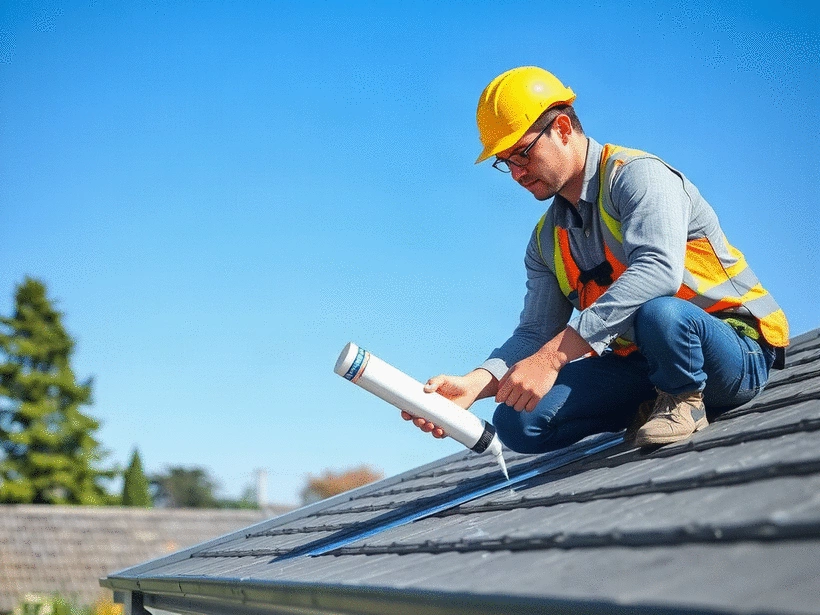
Roof waterproofing helps protect a property from rainwater entry, dampness and moisture-related deterioration. For homes and businesses in Geelong, the right approach depends on the roof type, its condition, drainage design and the areas most vulnerable to leaks. Identifying these factors early can help property owners plan appropriate repairs and reduce the risk of water damage.
What You Will Learn
- How roof waterproofing helps manage water entry and protect building materials.
- Common causes of roof leaks and warning signs to watch for.
- How waterproofing options differ for flat, metal and tiled roofs.
- What to consider when arranging roof inspections, repairs or waterproofing work.
Understanding Roof Waterproofing in Geelong
Roof waterproofing involves using suitable materials, protective systems and construction details to limit water entering a building through its roof. Depending on the roof design, this may involve repairing flashings, sealing suitable joints, renewing deteriorated components or installing a membrane system.
Not every roof requires an additional waterproofing coating. Pitched metal and tiled roofs generally rely on their roofing materials, overlaps, flashings and drainage details to shed water. Flat and low-slope roofs may require a dedicated membrane system designed for their construction and exposure.
Geelong properties vary in age, roof design and exposure to weather. Wind-driven rain, blocked gutters, deteriorated seals and poorly detailed penetrations can all contribute to water entry. The most effective first step is to establish where the water is entering and why.

For a broader look at roof protection options, see our guide to roof waterproofing solutions in Geelong.
Why Roof Waterproofing Matters
When water passes through a roof, it can damage ceilings, insulation, wall finishes and stored belongings. Persistent moisture may also contribute to mould growth where conditions allow. In some cases, prolonged water exposure can damage timber or other building components.
Timely investigation can help identify defects before the affected area becomes more extensive. However, a roof leak should not automatically be treated with a surface coating. The source may be a damaged flashing, loose roof covering, blocked drainage point, failed joint or condensation rather than a defective waterproofing membrane.
Common Causes of Roof Leaks in Geelong
Roof leaks can develop gradually as materials age or appear after heavy rain and strong winds. Understanding the likely causes helps narrow down the type of inspection or repair required.
Damaged or Displaced Roof Coverings
Broken or displaced tiles, damaged metal sheets, deteriorated fasteners and poorly secured roof components can create pathways for water. The appropriate repair depends on the roofing material and whether the problem is isolated or part of more widespread deterioration.
Faulty Flashings and Roof Penetrations
Flashings help direct water away from roof junctions, edges and penetrations. Problems can occur around skylights, vents, chimneys, adjoining walls and other roof openings when flashings deteriorate or are incorrectly detailed.
Blocked Gutters and Drainage Points
Leaves, debris and other obstructions can restrict water flow through gutters and outlets. If water overflows or backs up near vulnerable roof edges, it may enter parts of the building that are not designed to withstand prolonged water exposure. Gutters, downpipes and outlets should be checked as part of roof maintenance.
Ageing Sealants and Waterproofing Systems
Sealants and membranes can deteriorate through exposure to weather, movement and normal ageing. Repairs need to use compatible materials and account for the condition of the surrounding surface. Applying a new coating over an unsuitable or damaged substrate may not resolve the underlying problem.
Condensation and Ventilation Problems
Water found in a roof space does not always originate from rain. Condensation can form when moist air contacts cooler surfaces, particularly where ventilation or moisture control is inadequate. Identifying whether the issue is rainwater entry or condensation is important because the solutions differ.
Roof Leak Detection and Early Repairs
Early investigation can help limit damage to ceilings, insulation and other internal finishes. Warning signs include water stains, peeling paint, damp insulation, musty smells and visible dripping during or after rainfall. The location of an internal stain does not always match the point where water enters the roof, because moisture can travel along building components before becoming visible.
Useful observations include when the leak occurs, which rooms are affected and whether the problem follows particular weather conditions. Photographs taken from a safe position can help document changes over time.
Do not climb onto a wet, steep or damaged roof to investigate a leak. Roof work can involve fall hazards, fragile materials and electrical risks. Arrange an appropriately qualified professional to inspect areas that cannot be safely accessed from the ground.
For related information on moisture problems throughout a property, read about the signs your home needs waterproofing.
Roof Waterproofing Options for Different Roof Types
The appropriate method depends on the roof construction and the source of the leak. A system intended for a flat concrete roof may not be suitable for a tiled or metal roof. Product compatibility, drainage, surface preparation and junction details all need to be considered.
Membrane Waterproofing for Flat and Low-Slope Roofs
Membrane systems are commonly used on suitable flat and low-slope roofs where a continuous waterproof layer is required. Depending on the design, options may include liquid-applied products or sheet membranes.
The membrane must be appropriate for the substrate and expected exposure. Drains, upstands, edges, movement joints and penetrations need careful detailing, while the roof must provide suitable drainage. A membrane cannot compensate for every underlying construction or drainage defect.
Related guidance is available in our article on rooftop waterproofing solutions in Geelong.
Liquid-Applied Waterproofing
Liquid-applied products are installed over a prepared surface and cure to form a coating or membrane. Depending on the product, they may be useful around complex shapes, junctions and penetrations. The specified thickness, curing conditions, reinforcement and compatibility with the substrate must be followed.
Not all liquid coatings are suitable for every roof. Check whether the product is designed for the particular surface, exposure conditions and expected movement before selecting it.
Metal Roof Waterproofing
Metal roofs require attention to sheet joints, fasteners, flashings, penetrations and any areas affected by corrosion. Suitable repairs may involve replacing damaged components, renewing compatible seals or addressing the underlying cause of water entry.
Applying a coating over a metal roof without assessing corrosion, loose fixings or defective junctions may leave important problems unresolved. The roof's condition should determine whether a localised repair, restoration or more extensive work is appropriate.
Tile Roof Waterproofing
Tile roofs rely on correctly positioned tiles, suitable flashings and effective drainage to shed water. Cracked or displaced tiles and deteriorated junction details can allow rainwater into the roof space.
Inspection should consider the tiles and the components beneath them. A coating applied to the tile surface is not automatically a substitute for repairing defective roof details or replacing damaged materials.
Drainage, Maintenance and Long-Term Roof Protection
Waterproofing works best when the roof can drain as intended and its vulnerable details remain in good condition. Regular visual checks can help identify issues such as blocked gutters, damaged flashings and deteriorating seals before they contribute to more extensive water entry.
- Keep gutters and roof drainage outlets clear of accumulated debris.
- Look for visible damage to roof coverings, flashings and exposed seals from a safe location.
- Arrange an inspection if water stains appear indoors or a leak recurs after repairs.
- Check that repairs and coatings are compatible with the existing roofing materials.
- Follow the maintenance instructions provided for any installed membrane or coating system.
Inspection frequency depends on the roof's age, exposure, condition and history of leaks. Properties with recurring problems or significant exposure may need more frequent professional attention than roofs in good condition.

Choosing a Roof Waterproofing Contractor in Geelong
Before arranging roof waterproofing, ask the contractor to explain the likely cause of the leak and why the proposed repair suits the roof. The assessment should consider the existing materials, drainage, flashings, penetrations and any visible deterioration.
A detailed written quote should identify the work included, the products or system proposed, preparation requirements, access arrangements and any exclusions. Ask whether damaged components will be repaired or replaced before a new coating or membrane is installed.
It is also sensible to clarify the applicable warranty conditions, maintenance requirements and what happens if water entry continues. Where the roof has structural damage or extensive deterioration, additional roofing or building expertise may be required.
For more guidance, see choosing a waterproofing company in Geelong.
Frequently Asked Questions About Roof Waterproofing
- What is roof waterproofing?
- Roof waterproofing involves suitable materials, protective systems and construction details that limit water entry. The method depends on the roof type, its condition and the source of the leak.
- Why might a roof leak during heavy rain?
- Possible causes include damaged roof coverings, faulty flashings, blocked drainage, deteriorated seals and vulnerable joints. Water may travel along building components, so the visible internal stain may not identify the exact entry point.
- Is a waterproofing membrane suitable for every roof?
- No. Membranes are used on suitable roof types and surfaces, but pitched metal and tiled roofs may require repairs to coverings, flashings and junctions instead. Product selection should reflect the roof's construction and exposure.
- Can liquid waterproofing be applied to a metal roof?
- Some products may be suitable for particular metal roof applications, but compatibility, corrosion, surface preparation and detailing must be assessed first. A coating should not be used as a substitute for repairing defective roof components.
- How can I tell whether dampness is caused by a roof leak?
- Water stains or dripping that appear after rainfall may indicate a leak, but condensation and plumbing issues can cause similar symptoms. A professional inspection can help distinguish between these possibilities.
- How often should a roof be inspected?
- The appropriate frequency depends on the roof's condition, age, exposure and maintenance history. Visible damage, recurring leaks or changes in the roof should be investigated rather than waiting for a routine inspection.
- What should a roof waterproofing quote include?
- A quote should describe the suspected cause, proposed repairs or waterproofing system, surface preparation, products, access requirements, exclusions and applicable warranty conditions.
Planning Roof Waterproofing for Your Geelong Property
Effective roof waterproofing begins with identifying how water is entering the building and selecting a repair that addresses the cause. Membranes, liquid-applied systems, flashing repairs and drainage improvements can all be useful in the right circumstances, but no single method suits every roof.
By investigating warning signs early, maintaining roof drainage and comparing clearly defined repair proposals, property owners can make better-informed decisions about protecting their buildings from water damage.