Balconies Waterproofing Geelong Vic
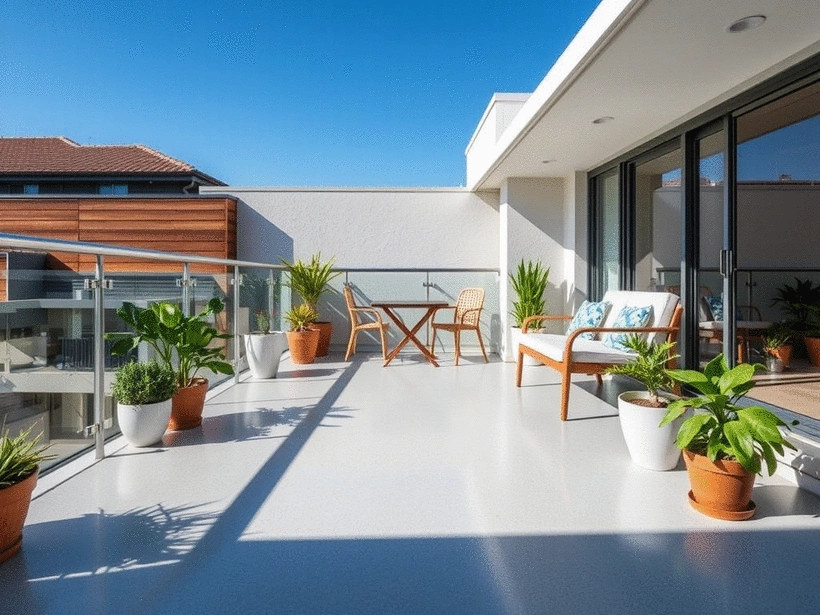
A balcony is exposed to rain, changing temperatures and regular drainage demands, making effective waterproofing an important part of maintaining a property. For homeowners, landlords and property managers in Geelong, a leaking balcony can damage surface finishes and allow moisture to reach walls, ceilings or building materials below.
Balcony waterproofing involves more than applying a coating to the visible surface. The waterproofing membrane, drainage outlets, door thresholds, wall junctions and other connections need to work together as a system. If one of these areas fails, water may enter the building even when much of the balcony appears to be in good condition.
Understanding common leak causes, recognising early warning signs and choosing a suitable repair approach can help property owners address problems before the damage spreads.
What Is Balcony Waterproofing?
Balcony waterproofing uses a membrane or other suitable waterproofing system to limit water penetration into the underlying structure. Depending on the balcony's design, the membrane may sit beneath tiles, screed or another protective finish.
The correct system depends on the substrate, exposure, drainage arrangement, surface finish and condition of the existing construction. A balcony above an occupied room may require particular attention because water entering through the balcony can damage the ceiling and finishes below.
Waterproofing should be considered alongside drainage and surface falls. A membrane is not a substitute for a drainage arrangement that allows rainwater to move towards suitable outlets rather than remaining on the surface.
Why Balcony Waterproofing Matters in Geelong
Geelong balconies can be exposed to wind-driven rain, periods of heavy rainfall, strong sunlight and changes in temperature. These conditions can place stress on exposed finishes, sealants and waterproofing details over time. Properties near the coast may also experience salt exposure, depending on their location and exposure.
These factors do not mean every balcony will develop a leak. The likelihood of problems depends on the building's design, construction quality, maintenance history and the condition of its waterproofing system.
Appropriate waterproofing can help protect:
- Internal ceilings and walls: Water entering from an elevated balcony may cause staining, peeling paint or deterioration of finishes below.
- Balcony surfaces: Persistent moisture can contribute to damage around tiles, grout, joints and other surface materials.
- Building materials: Repeated water entry can affect susceptible materials and concealed connections.
- Property maintenance budgets: Early investigation may help identify a localised defect before more extensive repairs are required.
For broader advice, read our guide to waterproofing solutions for Geelong homes.
Common Causes of Balcony Leaks
Balcony leaks can develop for several reasons, and more than one defect may be present. Identifying the likely entry point is important before selecting a repair method.
1. Damaged or Deteriorated Waterproofing Membranes
A membrane may deteriorate, become damaged during later building work or fail at a junction. If water passes through a defect, it can travel beneath the finished surface before becoming visible inside the building.
Replacing a few tiles or applying a surface coating will not necessarily correct a failed concealed membrane. The extent of the damage and the condition of the surrounding system should be assessed before deciding whether a localised repair or broader replacement is appropriate.
2. Blocked or Inadequate Drainage
Leaves, dirt and other debris can obstruct balcony outlets and slow the removal of rainwater. Poor surface falls or drainage details may also contribute to water remaining on the balcony for extended periods.
Keep accessible outlets clear and observe whether water drains away after rain. If pooling continues, the problem may involve the balcony's falls, outlet arrangement or another underlying defect rather than debris alone.
3. Cracked Tiles, Grout and Surface Finishes
Cracked tiles, deteriorated grout and damaged sealant can be warning signs of movement, wear or moisture-related problems. However, these symptoms do not automatically prove that the waterproofing membrane has failed.
Where surface damage is accompanied by water stains below, persistent dampness or recurring leaks, a more detailed investigation may be needed. Any repair should account for the condition of the membrane and the connections around the affected area.
4. Door Thresholds and Wall Junctions
Balcony doors, wall junctions, balustrade fixings and penetrations can be vulnerable points if the waterproofing details are damaged or incorrectly formed. Water may enter around these connections even if the central balcony surface remains intact.
These areas require particular care during both installation and repair. Adding sealant to a visible gap may not resolve the issue if water is entering behind the adjoining construction.
5. Weather Exposure and Building Movement
Sunlight and temperature changes can cause building materials to expand and contract. Building movement, ageing sealants and repeated exposure to rain can contribute to cracks or separation at vulnerable joints.
In exposed Geelong locations, inspecting these areas periodically can help identify deterioration before it develops into a more significant water ingress problem.
Warning Signs Your Balcony Needs Attention
Recognising early symptoms can help you decide when maintenance or a more detailed assessment is needed. Look for the following signs:
- Water stains beneath the balcony: Discolouration or peeling paint on a ceiling or wall may indicate moisture entry.
- Persistent pooling: Water that remains after surrounding areas have drained may indicate a drainage or surface-fall problem.
- Loose or cracked tiles: Damaged finishes warrant inspection, particularly when other signs of moisture are present.
- Recurring dampness: Moisture that returns after cleaning or surface repairs may point to an unresolved cause.
- Musty odours or mould: Persistent dampness can create conditions that support mould growth.
- Deteriorating sealant: Gaps or separation around doors, joints and penetrations may allow water to enter.
These signs can have several causes, including plumbing faults, condensation or defects in adjoining building elements. Avoid assuming that every symptom is caused by the balcony membrane alone.
For additional guidance, see our article on signs your home needs waterproofing.
How Balcony Drainage Helps Prevent Water Damage
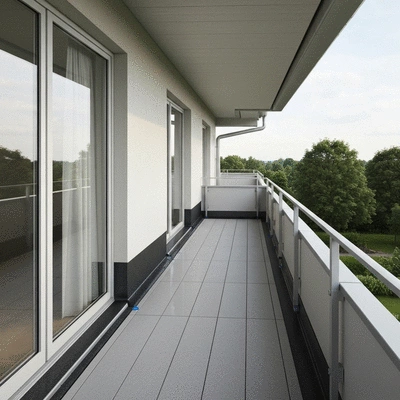
Drainage is an essential part of a balcony's overall water management. Rainwater should be directed towards suitable outlets without accumulating against doors, walls or other vulnerable junctions.
Effective drainage depends on several factors:
- Clear outlets: Accessible drainage points should be kept free of leaves and debris.
- Suitable surface falls: The surface should direct water towards the intended drainage points in accordance with the design.
- Appropriate junctions: Drainage outlets and adjoining membrane details need to be compatible and correctly installed.
- Maintained external connections: Door thresholds, wall junctions and other exposed details should be checked for damage or deterioration.
Cleaning a blocked outlet can resolve a simple maintenance issue, but it will not repair a damaged membrane or correct an unsuitable balcony design. If water continues to pool or leak after basic maintenance, investigate the underlying cause.
Choosing a Balcony Waterproofing Membrane
Different waterproofing systems are available for balconies, but no single product is suitable for every application. Selection should account for the substrate, exposure, movement requirements, intended surface finish, drainage design and compatibility with adjoining materials.
Liquid-Applied Membranes
Liquid-applied membranes are installed as a coating that forms a continuous waterproofing layer when applied and cured according to the product instructions. They can be useful where the system needs to follow corners, junctions and changes in surface shape.
Performance depends on appropriate preparation, specified coverage, correct detailing and adequate curing. The selected product must also be suitable for the balcony's intended use and exposure.
Sheet Membranes
Sheet membranes provide a manufactured waterproofing layer installed with specified joints, overlaps and connections. They may be suitable for particular balcony designs, but their performance depends on correct installation and careful treatment of junctions and penetrations.
Compatibility Is More Important Than Product Labels
When comparing products, consider whether the membrane is suitable for the substrate and compatible with adhesives, screeds, tiles, protective layers and other components in the proposed system.
Do not assume that a product described as flexible, eco-friendly or suitable for exterior use is automatically appropriate for a tiled balcony. Check the manufacturer's technical information and the requirements for the specific application.
For further information, read our guide to waterproofing membranes for decks and balconies.
Eco-Conscious Waterproofing Choices
Property owners may wish to consider the environmental characteristics of waterproofing products when planning balcony repairs or renovations. However, environmental claims should be assessed alongside suitability, durability and installation requirements.
When comparing products, consider:
- VOC information: Check the product's technical documentation for volatile organic compound information and any application precautions.
- Material composition: Review what the membrane contains rather than assuming a product is environmentally preferable based on its name or marketing.
- Service life and maintenance: A suitable, durable system may reduce the need for repeated removal and replacement.
- Waste and packaging: Ask whether waste can be minimised and how unused materials and packaging should be handled.
- System compatibility: Environmental characteristics should not override the need for a waterproofing system that is appropriate for the balcony.
Natural rubber, water-based products and systems containing recycled materials may be available for certain applications, but their suitability varies. Confirm that any proposed product is designed for the required exposure and compatible with the complete installation.
Repairing an Existing Balcony Waterproofing System
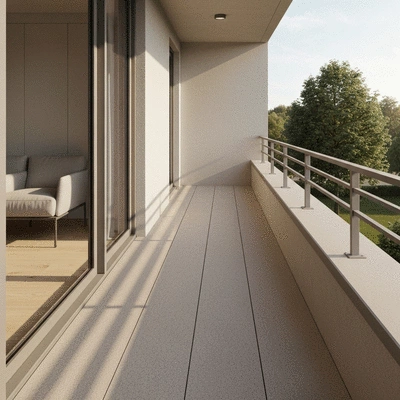
The right repair depends on the source of the leak and the condition of the existing balcony. A small, accessible defect may be repairable without replacing the entire system, while widespread membrane deterioration may require more extensive work.
When a Localised Repair May Be Suitable
A localised repair may be appropriate when the defect has been identified, the surrounding membrane remains suitable and the repair can be completed in accordance with the system requirements.
Before proceeding, establish whether the problem involves a surface seal, drainage outlet, junction, plumbing component or concealed membrane. The repair should address the actual cause of water entry.
When More Extensive Work May Be Required
Broader replacement may need to be considered where membrane damage is widespread, repeated repairs have failed or the existing system cannot be restored reliably. Accessing the membrane may require removing tiles, screed or other finishes and reinstating them after the waterproofing work.
Before approving the work, ask for a clear explanation of:
- The likely source of water entry and how it was assessed.
- The proposed repair method and why it is suitable.
- Any tile, screed or surface-finish removal required.
- How drainage outlets, door thresholds and wall junctions will be treated.
- What inspections or testing are appropriate before the balcony is reinstated.
- Any exclusions, maintenance requirements and warranty terms.
Maintaining Your Balcony Waterproofing
Regular observation can help identify developing problems, although maintenance cannot compensate for a defective membrane or a drainage design that does not work properly.
- Remove leaves and debris from accessible drainage grates.
- Check for persistent pooling after rainfall.
- Look for cracked tiles, deteriorating grout and damaged sealant.
- Investigate new stains or dampness beneath the balcony.
- Avoid drilling through waterproofed surfaces unless penetrations are properly detailed.
- Arrange further investigation if leaks return after a repair.
For apartments and multi-unit properties, notify the building manager or owners corporation if the problem may affect common property or neighbouring units. Confirm who is responsible for the affected area before arranging work.
Frequently Asked Questions About Balcony Waterproofing
What are the common signs of a leaking balcony?
Common warning signs include water stains on ceilings below, persistent pooling, damaged tiles, deteriorating sealant, recurring dampness and musty odours. These symptoms should be investigated to identify the source.
Can I waterproof over existing balcony tiles?
Some coating systems may be suitable for specific existing surfaces, but applying a coating over tiles is not a universal solution. The condition of the existing finish, drainage, junctions and concealed membrane must be considered before selecting a method.
Will replacing the grout stop a balcony leak?
Replacing deteriorated grout may address a surface defect, but it will not necessarily repair a failed membrane or a problem with drainage or junctions. Recurring leaks require investigation beyond the visible surface.
Why does water pool on my balcony after rain?
Possible causes include blocked outlets, unsuitable surface falls or drainage defects. If clearing accessible debris does not resolve the problem, the drainage arrangement should be assessed.
Are eco-friendly balcony waterproofing products available?
Products with different material compositions and environmental characteristics are available for some applications. Check technical information, VOC details and system compatibility rather than relying on broad environmental claims.
How do I choose a suitable balcony waterproofing system?
Consider the substrate, exposure, drainage, intended finish, movement requirements and compatibility with adjoining materials. The system should be suitable for the specific balcony and installed according to its technical requirements.
Protecting Your Geelong Balcony from Water Ingress
Reliable balcony waterproofing depends on a suitable membrane, effective drainage and correctly treated junctions. In Geelong, exposure to rain, sunlight and changing temperatures makes it worthwhile to monitor balcony surfaces and investigate recurring signs of moisture.
If a leak develops, identify its source before deciding whether to repair or replace the waterproofing system. A clearly defined scope of work, suitable materials and attention to drainage and detailing can help address the cause rather than simply cover the symptoms.